ExploreDining: Restaurants and Tables
The practical side of eating out in New York: when reservations release, which rooms hold seats for walk-ins, tipping and service charges, corkage rules, wine markups, dietary requests and what a large table costs once everything lands. Written for anyone booking dinner in a city that makes it complicated.
How eating out in the city works: reservation drops, walk-in timing, tipping norms, corkage, wine markups and the bill a table of six should expect.
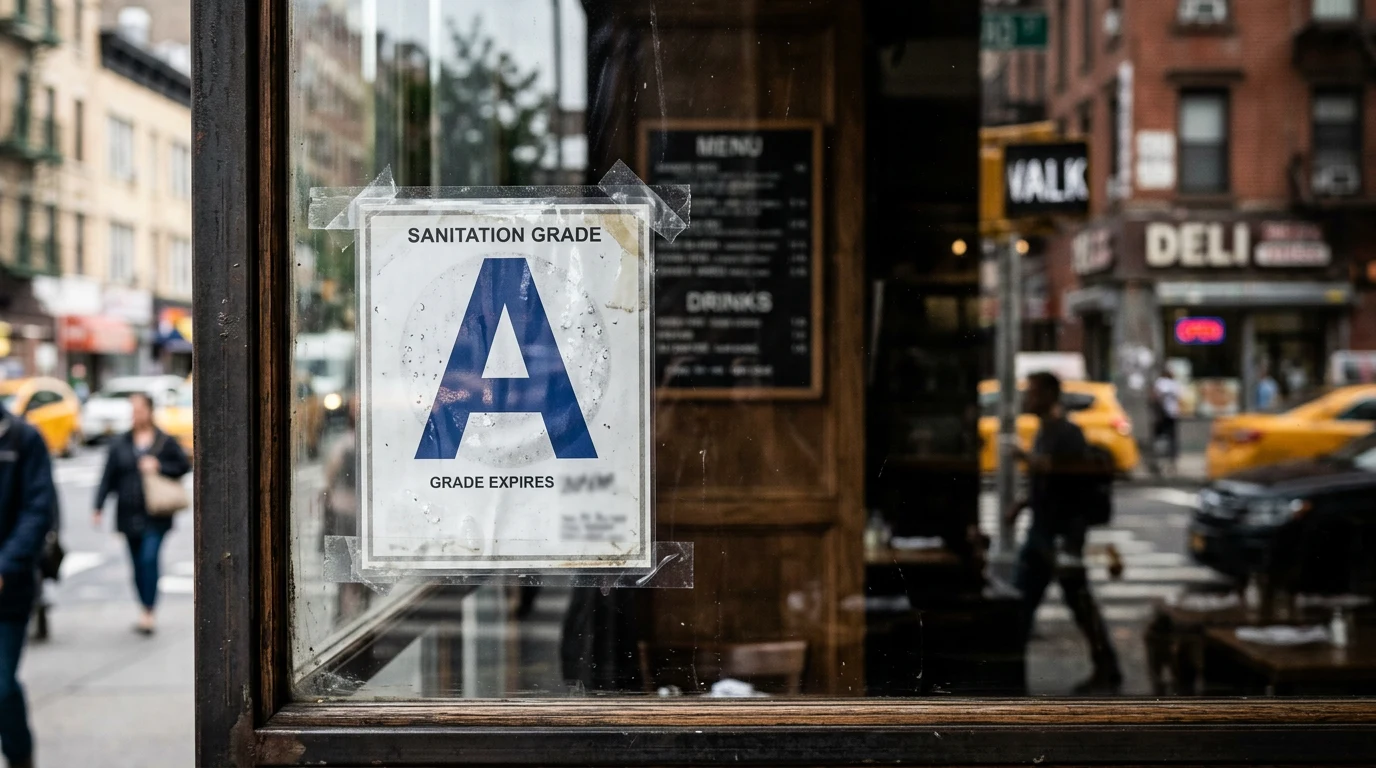
The A, B, or C in a restaurant window is the end of a documented process — point scores, a second chance at an A, and an appeal track — set by the city's health code, not by inspectors' whims.
A, B, C — the card by the door comes from a points system, not a vibe check. Here is how the city actually scores it.
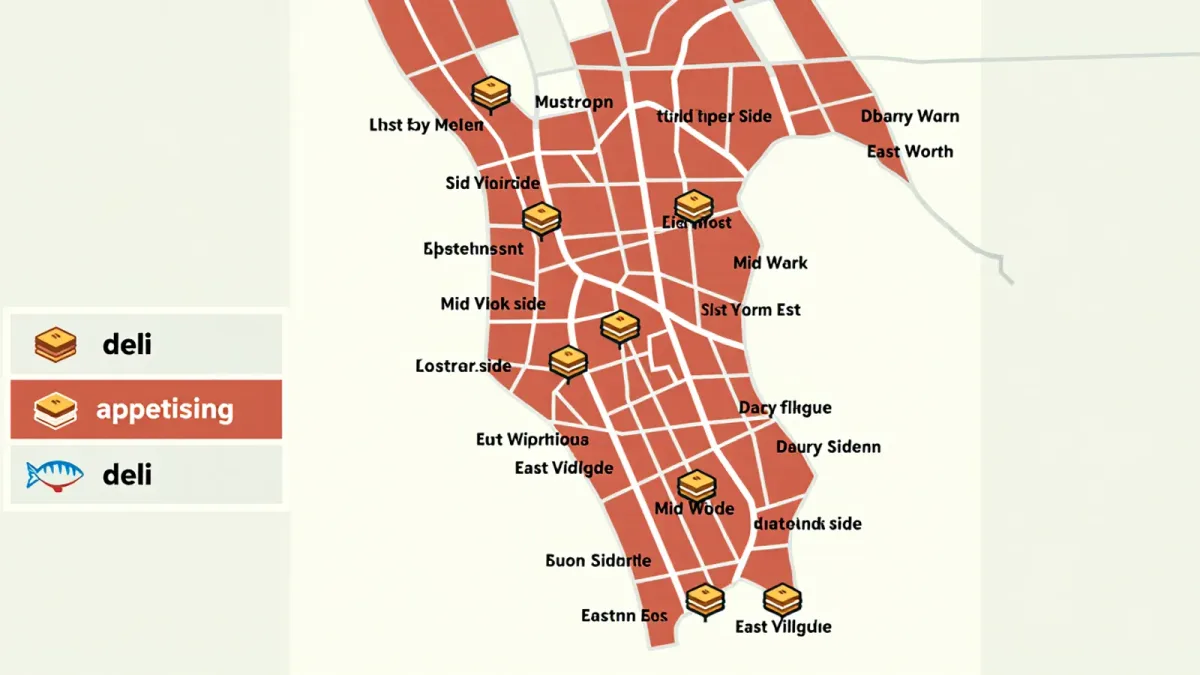
Pastrami by the pound, bagels-and-lox counters, and the appetizing stores that outlived the Brooklyn flights — where the tradition actually sits on the island in 2026.
The oyster deals, the bar-bite menus, and the laws that shape them — a working guide to the island's most honest price window.
The Lexington Avenue 20s and 30s hold the island's densest Indian dining corridor — a working guide to the thali houses, chaat counters, and regional kitchens.
Roadway sheds are gone and rebuilt sidewalk cafés remain — a practical guide to the terraces, patios, and courtyard tables worth booking between May and October.
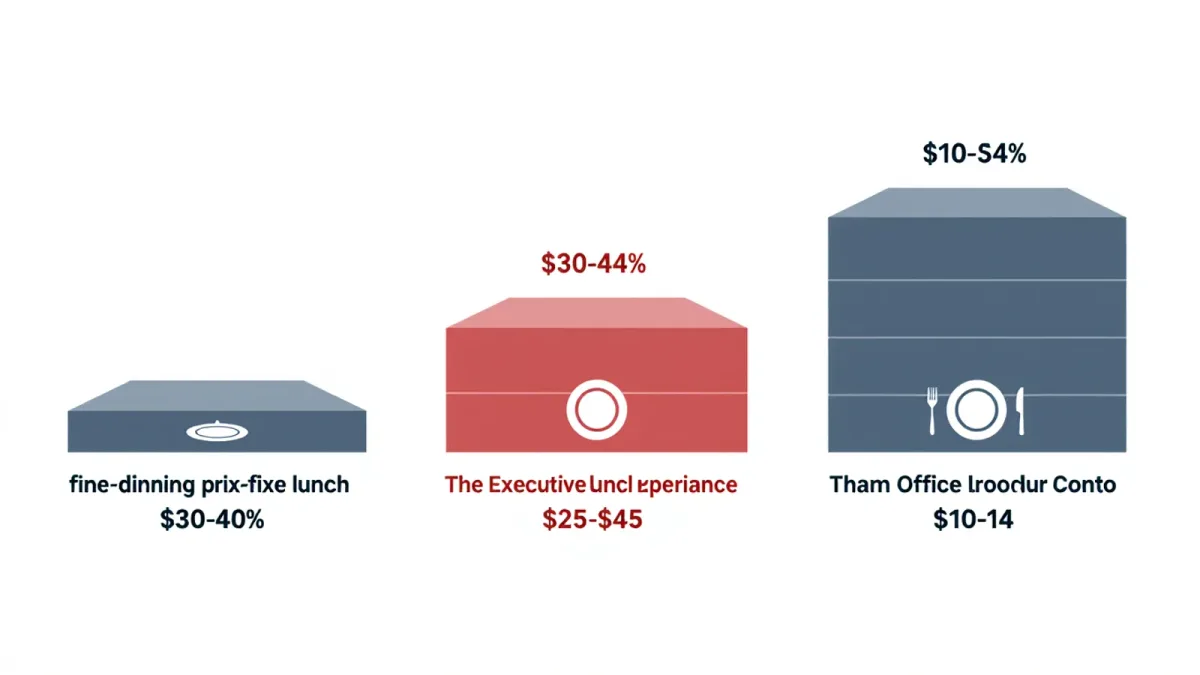
Prix-fixe lunches, executive lunches, counter combos, and the rice-tray economics of the office corridor — a working guide to the island's noon discounts.
Counter slice, Neapolitan, grandma square, and the new wood-fired middle — a field guide to the island's pizza styles, block by block.
Cantonese BBQ, Fujianese soups, dim sum on Doyers Street — a zone-by-zone guide to Manhattan Chinatown's food geography and what to order in each.
What you actually pay for at a pizza counter versus a chef's counter — labor, rent, courses, and hours — and how to get a good meal at either price.